
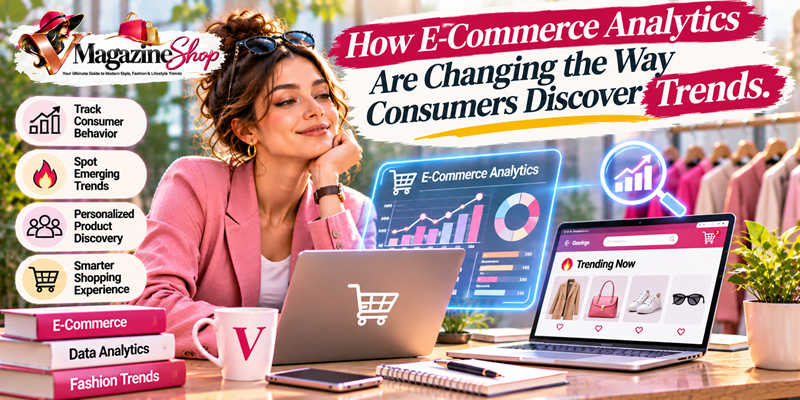
How E-Commerce Analytics Are Changing the Way Consumers Discover Trends – The global retail landscape has undergone a profound structural shift over the past decade. Traditionally, fashion and lifestyle trends were dictated by top-down industry authorities, including elite runway shows, magazine editors, and central retail buyers. However, the rise of digital commerce has decentralized trend forecasting entirely.
How E-Commerce Analytics Are Changing the Way Consumers Discover Trends
Today, sophisticated e-commerce analytics engines collect, evaluate, and interpret vast volumes of real-time consumer data. This technological revolution has flipped the traditional trend cycle, turning raw consumer behavior into the primary driver of market movements. Understanding how data analytics operates behind digital storefronts reveals how consumer preferences are identified, amplified, and delivered to shoppers across the globe.
The Evolution from Intuitive Forecasting to Predictive Analytics
Historically, trend forecasting relied heavily on intuition and extended product development cycles. Retail brands designed collections up to eighteen months in advance, making speculative bets on colors, silhouettes, and material preferences. Inevitably, this model resulted in significant supply chain mismatches and high inventory markdowns.
Modern e-commerce analytics has replaced speculative guessing with precise, data-driven predictability. By tracking digital footprints across web platforms, algorithms identify emerging consumer interest long before it manifests in traditional physical stores:
-
Real-Time Consumer Sentiment Tracking: Machine learning algorithms monitor social search volumes, hashtag acceleration, and image interactions to detect micro-trends in their infancy.
-
On-Site Behavioral Mapping: E-commerce portals analyze aggregate buyer search queries, click-through rates, and cart additions to evaluate demand intensity for specific product features.
-
Predictive Inventory Calibration: Retailers utilize predictive algorithms to adjust production volumes dynamically, ensuring popular items remain stocked without generating excess textile waste.
Personalized Recommendation Engines and Discovery Feeds
One of the most noticeable impacts of e-commerce analytics on daily life is the personalized shopping experience. Generic storefront landing pages are rapidly being replaced by hyper-individualized discovery feeds that cater to specific aesthetic tastes.
Data-driven recommendation algorithms analyze your browsing history, past purchases, and cross-user similarity metrics to surface targeted trends:
1. Collaborative Filtering Techniques
By comparing your interaction history with millions of other digital shoppers, predictive models identify complementary products that align with your lifestyle. If consumers with similar browsing habits begin adopting a specific style, the platform surfaces those items on your feed automatically.
2. Contextual Product Tagging and Visual Search
Advanced computer vision tools analyze product imagery to tag detailed garment attributes—such as lapel width, pattern density, and color tone. This granular data structure allows retail platforms to recommend micro-trend variations with extraordinary accuracy.
Accelerating the Life Cycle of Modern Fashion Trends
The integration of data analytics into retail operations has dramatically accelerated the overall lifecycle of consumer trends. What used to take years to transition from high-fashion concepts to widespread adoption now occurs within weeks. The Buyer’s Guide to Smart Gadgets and Digital Tech Accessories for Home Entertainment
Analytics tools provide real-time feedback loops to agile design teams, allowing manufacturers to move from digital concept to online release with unprecedented speed. While this rapid turnover grants consumers instant access to evolving styles, it also demands a more mindful approach to personal shopping. Consumers can leverage trend discovery platforms to curate high-quality, lasting wardrobe staples rather than falling into cycles of disposable micro-trends.
Privacy, Transparency, and Ethical Data Consumption
As e-commerce analytics becomes increasingly sophisticated, the collection of personal consumer data raises important questions regarding privacy and digital transparency. Modern consumers expect personalized shopping experiences, but they also demand strict protection over their personal information.
Leading retail platforms are adapting by adopting privacy-centric analytics frameworks:
-
Anonymized Aggregated Data Processing: Retailers evaluate general demographic trends using anonymized datasets, protecting individual identities while extracting valuable market insights.
-
Transparent Consent Mechanisms: Clear opt-in policies allow consumers to control how their browsing history is utilized for personalized trend recommendations.
Navigating the Future of Data-Driven Discovery
E-commerce analytics has permanently transformed how consumers discover, evaluate, and acquire new trends. By shifting the market from speculative forecasting to real-time data analysis, digital commerce empowers consumers to shape the fashion landscape directly. Embracing these technological tools allows shoppers to navigate the digital marketplace efficiently, discovering authentic styles that perfectly complement their personal aesthetic.