
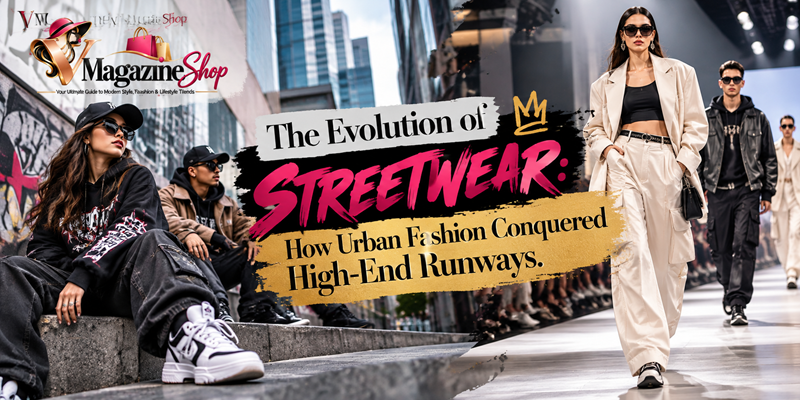
The Evolution of Streetwear: How Urban Fashion Conquered High-End Runways – For decades, high fashion operated within strict boundaries. Luxury fashion houses in Paris, Milan, and New York defined what was considered elegant and trendy. However, a significant transformation occurred over the past few decades.
The Evolution of Streetwear: How Urban Fashion Conquered High-End Runways
Streetwear, an informal movement rooted in subcultures, gradually shifted from local neighborhoods to global high-end runways. Today, urban fashion does not just participate in luxury style; it actively shapes the future of the global fashion industry. Understanding this transformation requires examining its origins, key milestones, and the cultural forces that allowed everyday casual wear to redefine modern luxury.
The Origins of Streetwear Culture
Streetwear began as a youth movement in the late 1970s and early 1980s. Its primary roots came from Southern California surf culture and New York City hip-hop subcultures. Early streetwear fashion focused heavily on comfort, self-expression, and individuality.
Surfers and skateboarders preferred durable and practical clothing, such as loose graphic T-shirts, hoodies, and sturdy sneakers. At the same time, the rising hip-hop scene adopted sportswear items, including tracksuits, oversized jackets, and iconic sneakers. These garments were not merely functional; they served as visual statements of identity and belonging to specific cultural communities.
Unlike traditional fashion, which relied on top-down direction from elite designers, streetwear evolved from the bottom up. It was created, worn, and promoted by everyday people in urban environments.
Key Drivers Behind the High-Fashion Crossover
Several factors accelerated the transition of urban fashion into the luxury market:
1. The Rise of Limited Drops and Exclusivity
Streetwear brands introduced a revolutionary business model based on scarcity. Instead of releasing large seasonal collections, brands launched small, limited-edition runs known as “drops.” This strategy created high demand, long queues outside stores, and a thriving resale market. High-fashion brands quickly realized that exclusivity could be achieved through artificial scarcity rather than high price points alone.
2. Strategic Brand Collaborations
Collaborations bridged the gap between subculture and luxury. A historic moment occurred in 2017 when the luxury house Louis Vuitton collaborated with the skate brand Supreme. This partnership demonstrated that luxury consumers were eager for streetwear aesthetics. It proved that heritage fashion houses could modernize their image without losing their prestige.
3. The Influence of Visionary Designers
Pioneering designers played a vital role in integrating streetwear into high fashion. Visionaries like Virgil Abloh, Shawn Stussy, and Kim Jones brought urban sensibilities to historic luxury houses. When Virgil Abloh was appointed as the artistic director of Louis Vuitton’s menswear in 2018, it marked a permanent structural change in the fashion hierarchy.
How Streetwear Changed Modern Fashion Norms
The dominance of streetwear has permanently changed how consumers and designers view high-end apparel.
-
Redefining Luxury and Comfort: Traditional luxury prioritized formal tailoring, rigid silhouettes, and delicate fabrics. Modern consumers now prioritize comfort and utility. Tailored suits are frequently paired with high-end sneakers, while graphic hoodies appear underneath structured coats.
-
Democratization of Fashion: Social media platforms allowed streetwear communities to grow globally without relying on traditional fashion magazines. Digital connectivity gave consumers a direct voice in determining trends.
-
The Shift in Consumer Demographics: Younger generations, particularly Millennials and Gen Z, represent a major portion of luxury spending. These consumers value authenticity, casual comfort, and cultural relevance over traditional formal etiquette.
The Future of Urban Fashion on the Runway
Today, the distinction between high fashion and streetwear is increasingly blurred. Luxury brands routinely feature oversized hoodies, utility vests, cargo pants, and technical footwear in their seasonal collections. Streetwear is no longer a temporary trend; it has become an established segment of high-end fashion design.
Moving forward, the evolution continues through sustainable materials, digital fashion, and innovative textile technology. As urban culture continues to influence global media and art, streetwear will undoubtedly remain a dominant creative force on international runways.