
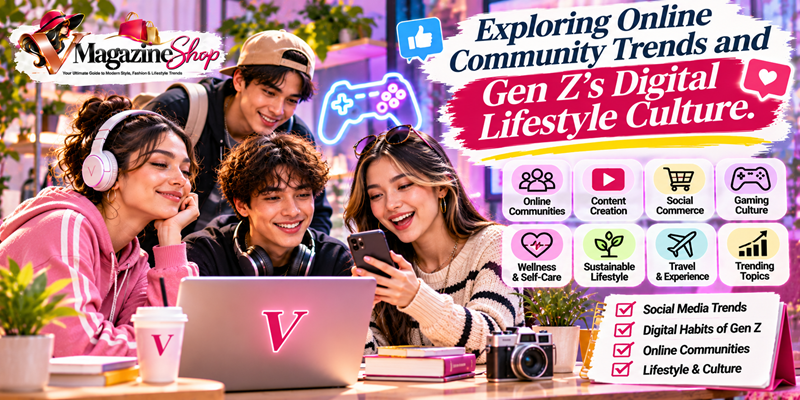
Exploring Online Community Trends and Gen Z’s Digital Lifestyle Culture – The contemporary digital landscape is experiencing a profound cultural evolution, driven primarily by Generation Z. Born between the late 1990s and early 2010s, this demographic cohort represents the first true digital natives who have never known a world without ubiquitous internet connectivity and smartphones. For Gen Z, the internet is not merely a tool for information retrieval or passive entertainment; it is an immersive, foundational environment where personal identity is shaped.
Exploring Online Community Trends and Gen Z’s Digital Lifestyle Culture
Social bonds are forged, and subcultural movements are born. Understanding Gen Z’s digital lifestyle provides invaluable insights into how modern online communities operate and influence global consumer behavior. Analyzing this vibrant internet culture requires examining the structural shift from broad social networks to niche micro-communities, the rise of authentic self-expression, and the integration of digital spaces into daily life.
The Evolution from Broad Social Networks to Niche Micro-Communities
Historically, early social media platforms encouraged massive, centralized networks where users broadcasted curated snapshots of their lives to sprawling friend lists. However, Generation Z has largely moved away from performative public networking in favor of intimate, interest-driven micro-communities.
Today’s digital natives congregate within decentralized spaces—such as private server channels, specialized forum boards, and closed messaging groups—where communication feels intimate and authentic:
-
Hyper-Niche Interest Groupings: Instead of general lifestyle pages, young digital consumers gravitate toward ultra-specific online spaces dedicated to micro-genres of music, niche aesthetic subcultures, and specialized hobbies.
-
Decentralized Connection Hubs: Modern online communities prioritize horizontal peer interaction over top-down influencer broadcasting, fostering a genuine sense of shared participation.
-
Anonymous and Pseudonymous Spaces: Many Gen Z users utilize pseudonymous profiles to separate their public digital footprint from their intimate online friendships, reducing social pressure and encouraging honest self-expression.
Key Pillars of Gen Z Digital Lifestyle Culture
Gen Z’s approach to online living is characterized by distinct behavioral patterns that differentiate them from previous generations:
1. Radical Authenticity Versus Curation
While millennial digital culture frequently emphasized polished, highly filtered aesthetics, Gen Z champions raw authenticity. Blurry photographs, unedited video journals, and transparent discussions regarding mental health, financial struggles, and daily vulnerabilities dominate their preferred social feeds. This cultural shift values genuine human connection over flawless perfection.
2. Algorithmic Subcultures and Aesthetic Identity
Digital algorithms shape much of Gen Z’s cultural consumption, giving rise to rapid-fire micro-trends and hyper-specific aesthetics. From “coastal grandmother” to “cyberpunk minimalism,” these visual frameworks allow young consumers to experiment with transient identities across different online platforms without permanent commitment.
3. Co-Creation and Participatory Meme Culture
For Gen Z, media consumption is inherently participatory. Memes are not just viewed; they are remixed, recontextualized, and deployed as a sophisticated linguistic shorthand. This participatory culture turns ordinary internet users into active co-creators of global digital humor and narrative trends.
The Intersection of Online Communities and Modern Consumerism
Gen Z’s digital lifestyle culture exerts a massive influence on modern commerce, shifting how brands must interact with young audiences:
-
Community-Led Brand Advocacy: Younger consumers place little trust in traditional advertising. Instead, they rely on peer recommendations within trusted online micro-communities before making purchasing decisions.
-
Demand for Radical Brand Transparency: Digital communities quickly expose corporate inauthenticity. Brands targeting Gen Z must demonstrate genuine ethical practices, sustainability commitments, and social accountability.
-
Virtual Goods and Digital Fashion: As online spaces consume a larger portion of daily life, the desire for digital self-expression extends into virtual assets, gaming skins, and augmented reality filters.
Navigating the Digital Future Mindfully
As online communities continue to expand and shape cultural norms, maintaining healthy digital boundaries is essential for personal well-being:
-
Curate Your Digital Feed: Actively manage your online subscriptions to ensure your digital spaces foster inspiration, education, and positive social connection.
-
Practice Digital Detoxing: Take scheduled breaks from constant connectivity to ground yourself in physical, offline environments.
-
Foster Genuine Offline Bonds: Balance vibrant online interactions with meaningful face-to-face relationships to maintain a well-rounded lifestyle.
Embracing Gen Z’s Cultural Blueprint
Generation Z has redefined the architecture of the internet, transforming digital QQ SLOT ONLINE spaces into intimate communities built on authenticity, shared creativity, and decentralized connection. By understanding these shifting online trends, individuals and businesses alike can better navigate the dynamic realities of modern digital culture.